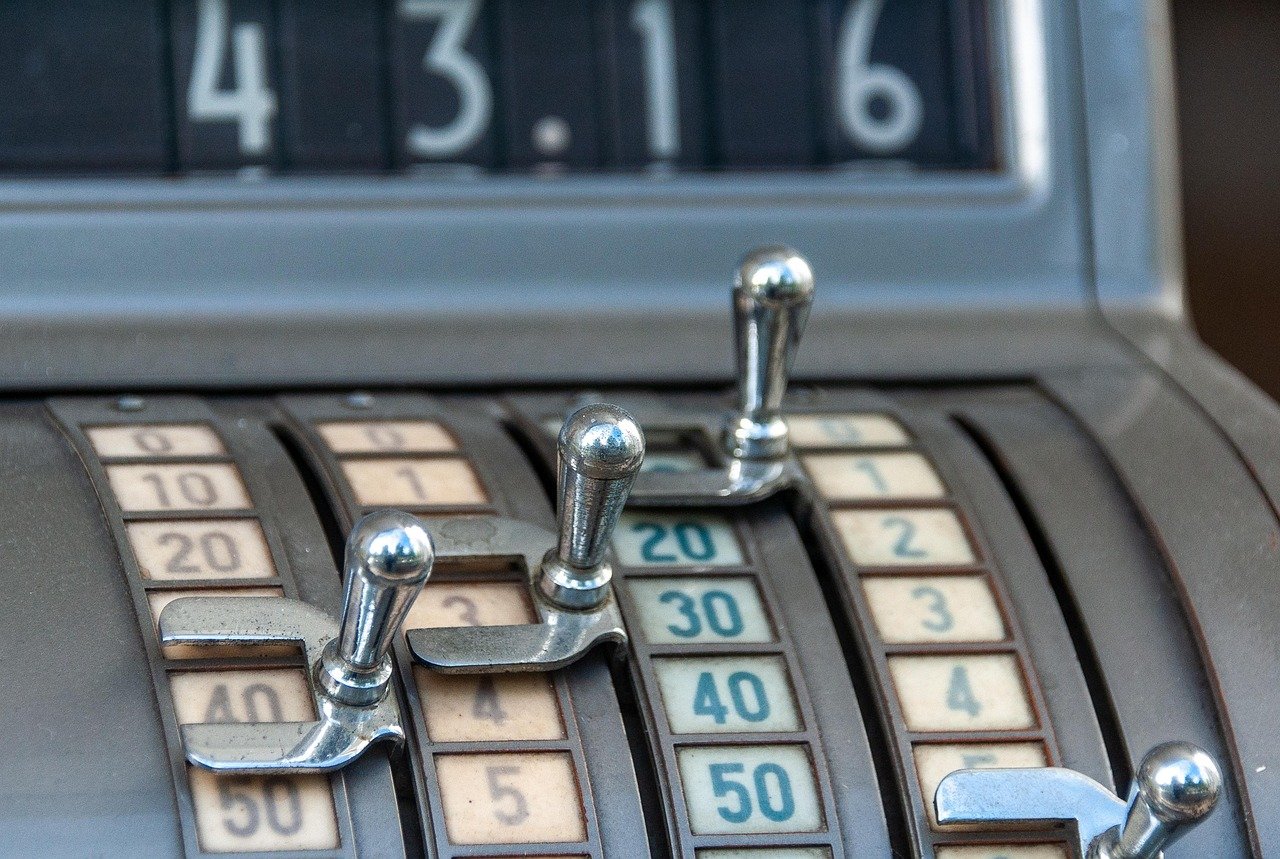
Trying to get a grip on your finances? Feeling overwhelmed by bills, expenses, and savings goals? You’re not alone! Many people struggle with budgeting, but thankfully, there’s a powerful tool that can help: a budget calculator. This simple yet effective resource can transform your financial outlook by providing clarity, control, and a roadmap to achieving your money goals. Let’s explore how a budget calculator works and how it can benefit you.
Understanding Budget Calculators
What is a Budget Calculator?
A budget calculator is a digital tool designed to help you create and manage a budget. It typically works by asking you to input your income and expenses, and then it automatically calculates your cash flow, identifies areas where you can save money, and helps you track your progress over time. Many budget calculators are available online, often for free, and some are integrated into personal finance apps or spreadsheet templates.
How Budget Calculators Work
The basic process usually involves the following steps:
- Income Input: You enter all sources of income, such as salary, wages, freelance earnings, investments, and any other regular income streams.
- Expense Tracking: You list all your expenses, which can be categorized as fixed (e.g., rent, mortgage, loan payments) or variable (e.g., groceries, entertainment, utilities).
- Calculation and Analysis: The calculator processes the data to show your total income, total expenses, and the resulting cash flow (surplus or deficit).
- Visualization: Many calculators offer visual representations of your budget, such as charts and graphs, to help you understand your spending patterns.
- Goal Setting (Optional): Some calculators allow you to set financial goals (e.g., saving for a down payment, paying off debt) and track your progress toward those goals.
Types of Budget Calculators
Budget calculators come in various forms:
- Simple Budget Calculators: These are basic tools that focus on income and expenses, offering a quick overview of your financial situation.
- Detailed Budget Calculators: These require a more comprehensive input of financial data and provide more in-depth analysis, allowing you to categorize expenses and track specific spending habits.
- Debt Management Calculators: These specialized calculators help you create a plan to pay off debts, showing you how to prioritize debts and calculate payoff timelines.
- Retirement Planning Calculators: These calculators help you estimate how much you need to save for retirement based on your current income, expenses, and desired retirement lifestyle.
- Home Affordability Calculators: Used to determine how much house you can comfortably afford based on your income, debts, and down payment.
Benefits of Using a Budget Calculator
Improved Financial Awareness
One of the most significant benefits of using a budget calculator is that it forces you to become more aware of your financial situation. By tracking your income and expenses, you gain a clearer understanding of where your money is going each month.
- Detailed Spending Insights: You can see exactly how much you’re spending on different categories, such as dining out, entertainment, or shopping.
- Identifying Spending Leaks: You can uncover hidden spending habits or unnecessary expenses that you may not have been aware of.
- Data-Driven Decisions: With accurate data at your fingertips, you can make more informed decisions about your spending and saving habits.
Enhanced Financial Control
A budget calculator empowers you to take control of your finances by providing a framework for managing your money effectively. By creating a budget, you can:
- Set Financial Goals: Define specific, measurable, achievable, relevant, and time-bound (SMART) goals, such as saving for a down payment on a house or paying off a credit card.
- Allocate Funds: Decide how much money to allocate to different categories, ensuring that you’re prioritizing your needs and wants.
- Track Progress: Monitor your progress over time and make adjustments to your budget as needed to stay on track.
Example: Imagine you want to save $5,000 for a down payment on a car. A budget calculator can help you determine how much you need to save each month to reach your goal within a specific timeframe.
Better Savings and Debt Management
Budget calculators can be invaluable tools for improving your savings and managing debt effectively. They help you:
- Identify Savings Opportunities: By analyzing your spending patterns, you can identify areas where you can cut back and save more money. For example, you might realize that you’re spending too much on dining out and decide to cook more meals at home.
- Prioritize Debt Repayment: Many budget calculators can help you create a debt repayment plan, showing you how to prioritize debts based on interest rates and payoff timelines. This can help you save money on interest charges and become debt-free faster.
- Automate Savings: Once you’ve identified savings opportunities, you can automate your savings by setting up automatic transfers from your checking account to your savings account.
Reduced Financial Stress
Financial stress is a common problem, but it can be significantly reduced by using a budget calculator. By having a clear understanding of your finances and a plan for managing your money, you can:
- Gain Peace of Mind: Knowing that you’re in control of your finances can reduce anxiety and stress.
- Prepare for Unexpected Expenses: A budget can help you create an emergency fund to cover unexpected expenses, such as car repairs or medical bills.
- Avoid Debt Traps: By sticking to your budget, you can avoid overspending and accumulating debt.
Choosing the Right Budget Calculator
Key Features to Look For
When selecting a budget calculator, consider the following features:
- Ease of Use: The calculator should be intuitive and easy to navigate, even if you’re not a financial expert.
- Customization Options: It should allow you to customize categories and track expenses in a way that makes sense for your specific financial situation.
- Reporting and Visualization: Look for calculators that offer charts, graphs, and reports to help you visualize your spending patterns and track your progress.
- Mobile Compatibility: A mobile-friendly calculator allows you to track your expenses on the go, making it easier to stay on top of your budget.
- Security: Ensure that the calculator uses encryption and other security measures to protect your financial data.
- Integration with Other Tools: Some budget calculators can integrate with your bank accounts and credit cards, automatically tracking your transactions. However, always prioritize security when considering this feature.
Free vs. Paid Budget Calculators
Many budget calculators are available for free, while others require a subscription or one-time purchase. Free calculators can be a great starting point, but they may have limited features or contain ads. Paid calculators typically offer more advanced features, such as:
- Advanced Reporting: More detailed reports and analysis of your spending patterns.
- Personalized Recommendations: Tailored advice on how to save money and improve your financial situation.
- Priority Customer Support: Access to customer support to help you with any questions or issues.
- Ad-Free Experience: An ad-free experience for a more streamlined and enjoyable user experience.
Consider your needs and budget when deciding between a free and paid budget calculator.
Popular Budget Calculator Options
Here are a few popular budget calculator options to consider:
- Mint: A free online budget calculator that integrates with your bank accounts and credit cards.
- YNAB (You Need A Budget): A subscription-based budgeting app that uses a zero-based budgeting approach.
- Personal Capital: A free financial dashboard that includes a budget calculator and investment tracking tools.
- Google Sheets: Many free and customizable budget templates are available for Google Sheets.
- Microsoft Excel: Similar to Google Sheets, Excel offers various budget templates that you can adapt to your needs.
Tips for Effective Budgeting with a Calculator
Be Realistic and Honest
The key to effective budgeting is to be realistic and honest about your income and expenses. Don’t underestimate your spending or overestimate your income. Accurate data is essential for creating a budget that works for you.
Track Your Expenses Regularly
Make it a habit to track your expenses regularly, preferably daily or weekly. This will help you stay on top of your spending and identify any potential problems early on.
Categorize Your Expenses
Categorizing your expenses will give you a clearer understanding of where your money is going. Use clear and concise categories, such as housing, transportation, food, entertainment, and debt repayment.
Review and Adjust Your Budget Regularly
Your budget is not set in stone. Review it regularly and make adjustments as needed to reflect changes in your income, expenses, or financial goals. A good rule of thumb is to review your budget at least once a month.
Don’t Be Afraid to Seek Help
If you’re struggling to create or stick to a budget, don’t be afraid to seek help from a financial advisor or credit counselor. They can provide personalized advice and guidance to help you achieve your financial goals.
Conclusion
Budget calculators are invaluable tools for anyone looking to gain control of their finances, improve their savings, and reduce financial stress. By providing a clear understanding of your income and expenses, these tools empower you to make informed decisions about your money and work towards achieving your financial goals. Whether you choose a simple free calculator or a more comprehensive paid app, the key is to find a tool that works for you and to use it consistently. Start exploring your options today and take the first step towards a brighter financial future.