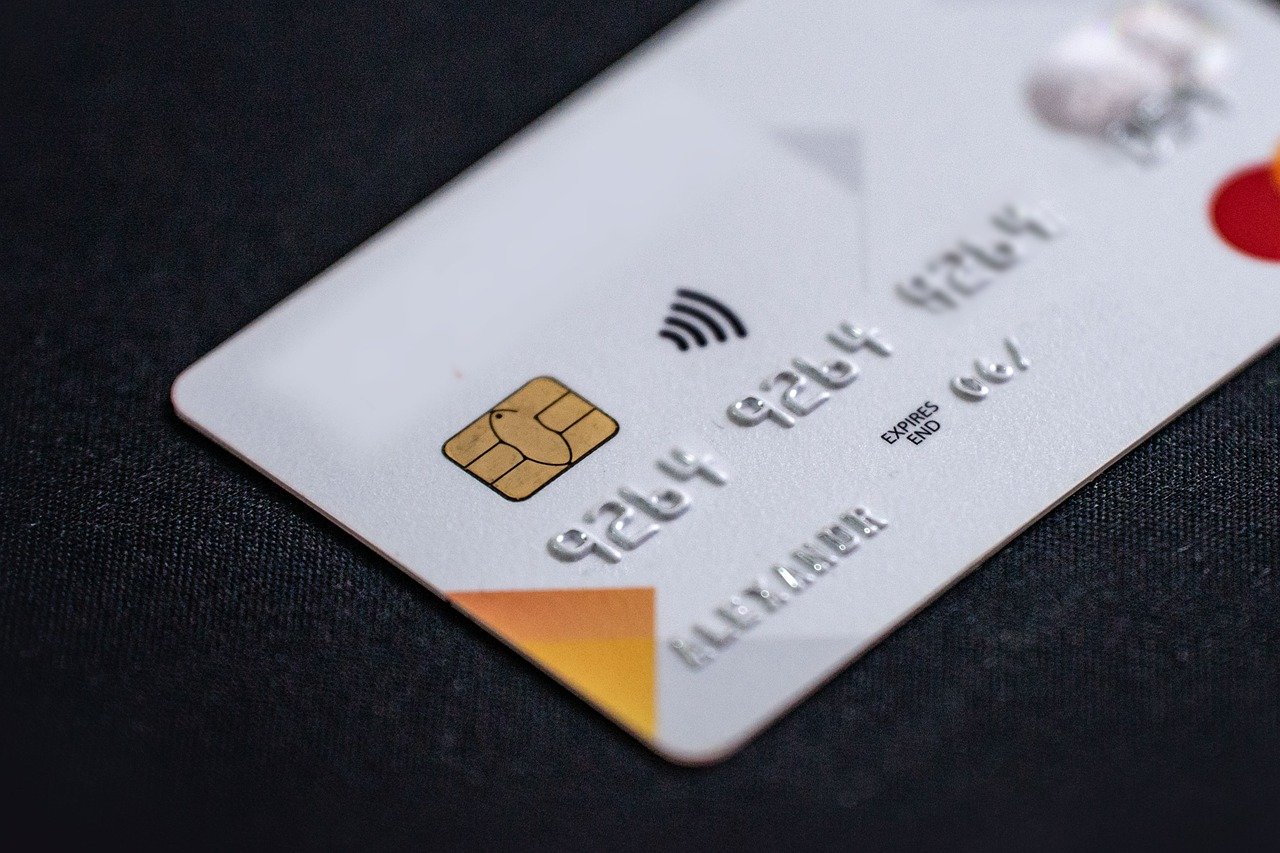
Withdrawing funds from your savings account is a common financial activity, but understanding the nuances and potential implications is crucial for maintaining a healthy financial standing. This blog post will guide you through everything you need to know about savings withdrawals, from identifying your needs to understanding potential fees and taxes. We’ll cover best practices to ensure you manage your savings effectively while meeting your financial goals.
Understanding Your Savings Withdrawal Needs
Identifying Your Withdrawal Purpose
Before initiating a withdrawal, clearly define why you need the money. Is it for an emergency, a planned expense, or an investment opportunity? Knowing the purpose will help you determine the appropriate amount to withdraw and minimize the impact on your long-term savings goals.
- Emergency Fund: Unexpected medical bills, car repairs, or job loss. Aim to keep a healthy emergency fund (3-6 months of living expenses).
- Planned Expenses: Down payment on a house, vacation, or tuition. Saving specifically for these events will reduce the need for withdrawals from your core savings.
- Investment Opportunities: Investing in stocks, bonds, or real estate. Carefully evaluate the risk and potential return before withdrawing savings for investments.
- Example: Sarah needs to repair her car. She identifies this as an emergency and decides to withdraw $1,000 from her savings account to cover the repair costs. She understands this will slightly deplete her emergency fund, but the car repair is essential.
Determining the Withdrawal Amount
Withdraw only what you need. Avoid unnecessary withdrawals that could hinder your progress towards your savings goals. Consider all available options before touching your savings.
- Calculate the Exact Amount: Get a precise estimate of the expense you need to cover.
- Explore Alternatives: Consider borrowing from family, using a credit card with a low APR, or negotiating payment plans.
- Withdraw Strategically: Start with smaller amounts and only withdraw more if absolutely necessary.
- Example: John needs $5,000 for a home renovation. He initially plans to withdraw the entire amount from his savings. However, after researching, he finds a credit card with a 0% introductory APR and decides to use it for $2,000 of the renovation cost. He only withdraws $3,000 from his savings.
The Withdrawal Process: Step-by-Step
Accessing Your Savings Account
Different banks and financial institutions offer various methods for accessing your savings accounts. Choose the method that best suits your convenience and security preferences.
- In-Person: Visit a branch of your bank or credit union. Bring valid photo identification.
- Online Banking: Log in to your online banking portal and initiate a withdrawal request.
- Mobile App: Use your bank’s mobile app to transfer funds to your checking account or request a check.
- ATM: Some savings accounts allow ATM withdrawals, although this may be limited.
Understanding Withdrawal Limits
Many savings accounts have withdrawal limits, either in terms of the number of withdrawals allowed per month or the amount you can withdraw at one time. Exceeding these limits may result in fees or account restrictions.
- Federal Regulation D: This regulation limits the number of certain types of withdrawals and transfers from savings accounts to six per month.
- Bank-Specific Limits: Banks may impose additional limits beyond Regulation D. Check your account agreement for details.
- Example: Michael has a savings account that allows a maximum of six withdrawals per month. He needs to make a seventh withdrawal. To avoid a fee, he considers transferring funds to his checking account and then making the withdrawal from the checking account.
Transferring Funds
The most common way to access savings is by transferring funds to a checking account. From there, you can use the money as needed.
- Online Transfer: Initiate the transfer through your online banking portal or mobile app.
- Automated Transfers: Set up recurring transfers to your checking account for regular expenses.
Fees, Taxes, and Other Considerations
Identifying Potential Fees
Withdrawal fees can erode your savings. Always be aware of potential fees and avoid them whenever possible.
- Excessive Withdrawal Fees: Charged if you exceed the monthly withdrawal limit.
- Early Withdrawal Penalties: Applicable to certain types of savings accounts, like Certificates of Deposit (CDs), if you withdraw funds before the maturity date.
- Minimum Balance Fees: If your withdrawal causes your account balance to fall below the minimum required, you may be charged a fee.
- Example: Lisa withdraws $500 from her CD before its maturity date. She incurs an early withdrawal penalty equivalent to three months of interest. Understanding the penalty beforehand helps her weigh the cost against her need for the funds.
Understanding Tax Implications
Interest earned on savings accounts is generally taxable. When you withdraw funds, you may need to report the interest earned on your tax return.
- Form 1099-INT: Your bank will send you this form if you earned more than $10 in interest during the year.
- Tax-Advantaged Accounts: Consider using tax-advantaged savings accounts like Health Savings Accounts (HSAs) or 529 plans for education expenses, as withdrawals for qualified expenses are often tax-free.
- Consult a Tax Professional: If you have complex tax situations, seek advice from a qualified tax professional.
Protecting Your Account Security
Always take precautions to protect your savings account from fraud and unauthorized access.
- Strong Passwords: Use strong, unique passwords for your online banking accounts.
- Two-Factor Authentication: Enable two-factor authentication for added security.
- Monitor Your Account: Regularly check your account statements for any unauthorized transactions.
- Report Suspicious Activity: Contact your bank immediately if you suspect any fraudulent activity.
Strategies for Managing Savings After a Withdrawal
Replenishing Your Savings
After making a withdrawal, prioritize replenishing your savings as soon as possible, especially if the withdrawal was for an emergency.
- Create a Budget: Develop a budget to track your income and expenses and identify areas where you can save money.
- Set Savings Goals: Set realistic savings goals and track your progress.
- Automate Savings: Set up automatic transfers from your checking account to your savings account each month.
- Cut Unnecessary Expenses: Identify non-essential expenses that you can eliminate or reduce.
- Example: David withdrew $2,000 from his savings for a home repair. He creates a budget and identifies areas where he can cut expenses, such as dining out and entertainment. He sets up an automatic transfer of $200 per month from his checking account to replenish his savings.
Re-evaluating Your Savings Goals
Unexpected withdrawals may require you to re-evaluate your savings goals and adjust your savings strategy accordingly.
- Adjust Timelines: If a significant withdrawal has set you back, you may need to adjust the timeline for achieving your savings goals.
- Increase Contributions: Consider increasing your monthly contributions to your savings account to accelerate your progress.
- Diversify Savings: Spread your savings across different types of accounts to manage risk and maximize returns.
Avoiding Future Unnecessary Withdrawals
Proactive financial planning can help you avoid unnecessary withdrawals in the future.
- Emergency Fund: Maintain an adequate emergency fund to cover unexpected expenses.
- Budgeting: Develop a detailed budget to track your income and expenses.
- Financial Planning:* Consult with a financial advisor to create a long-term financial plan.
Conclusion
Understanding the process and implications of savings withdrawals is crucial for effective financial management. By carefully considering your needs, understanding potential fees and taxes, and implementing strategies to replenish your savings, you can maintain a healthy financial standing and achieve your long-term savings goals. Always prioritize proactive financial planning and seek professional advice when needed.